
Quick answer: Fabric conditioner and fabric softener are the same type of product. “Fabric conditioner” is the common name in the Philippines, while “fabric softener” is more common in the United States. It is added in the rinse after washing to make clothes soft and fresh-smelling. It does not clean clothes, so you still need detergent.
Key takeaways
- Fabric conditioner and fabric softener mean the same thing
- Detergent cleans, fabric conditioner softens and adds scent
- Add fabric conditioner in the rinse, never together with detergent
- In automatic machines, pour it into the softener compartment
- When hand washing, add it to the final rinse water
What fabric conditioner does
- Makes clothes, towels and bedsheets feel softer
- Gives laundry a fresh, lasting scent
- Helps reduce wrinkles and static
- Antibac variants such as Downy Antibac Kontra Kulob are made to fight the musty smell of clothes dried indoors
Fabric conditioner vs detergent
| Detergent | Fabric conditioner | |
|---|---|---|
| Main job | Removes dirt, stains and odors | Softens and adds scent |
| When to add | At the start of the wash | In the rinse |
| Examples | Ariel, Tide | Downy |
| Can replace the other? | No | No |
How to use fabric conditioner in an automatic washing machine
- Put detergent in the detergent compartment or drum, as your machine manual says
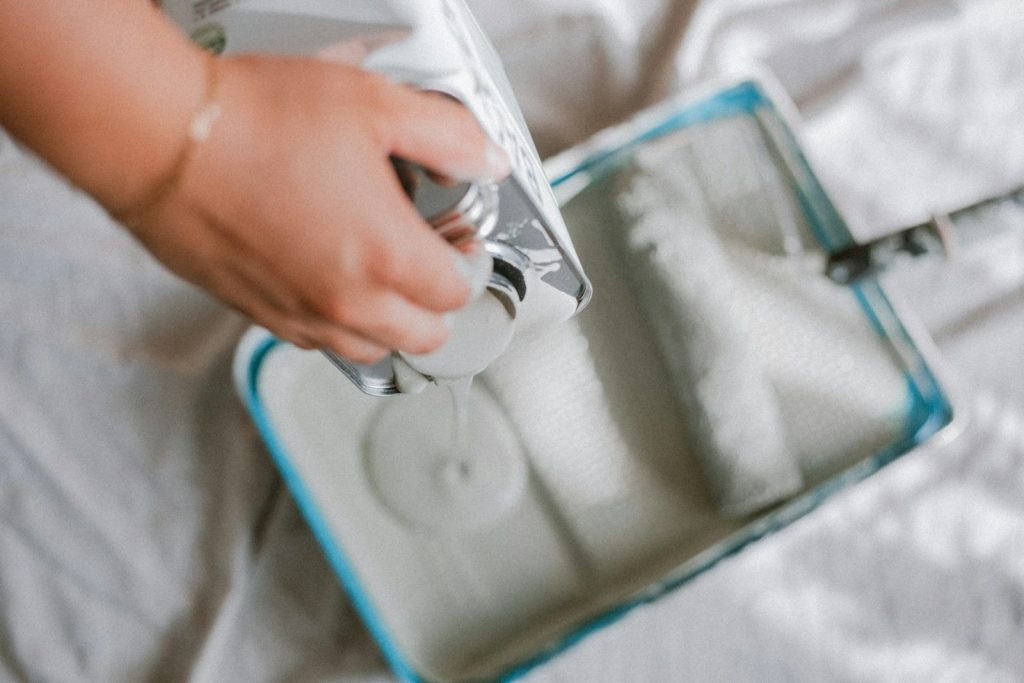
- Pour fabric conditioner into the softener compartment, up to the fill line
- Start the wash. The machine adds the fabric conditioner during the rinse
- Do not pour fabric conditioner directly on dry clothes, since it can leave spots
How to use fabric conditioner when hand washing or in a twin-tub
- Wash and rinse the clothes to remove detergent
- Fill a basin with clean water and mix in the fabric conditioner, following the pack directions
- Soak the clothes for a few minutes, stirring now and then
- Wring or spin the clothes and hang them to dry
Common fabric conditioner mistakes
- Mixing it with detergent. They work against each other when added at the same time.
- Using too much. Extra fabric conditioner can make towels less absorbent and leave residue.
- Skipping the care label. Some sportswear and special fabrics should be washed without fabric conditioner.
- Folding damp clothes. Fabric conditioner cannot stop kulob smell if clothes are stored wet.
Fabric conditioner for laundry shops
Laundry shops use fabric conditioner on almost every load, so customers notice when the scent changes. Single-use sachets such as Downy 2x Labahan and Tri-Pid keep the dose and scent the same for every customer. Compare scents in our Downy variants guide.
Mazy’s Marketing Corporation supplies Downy in bulk cases from branches in Metro Manila, Laguna, Pampanga and Cebu. Request a wholesale quote for current case prices.
Related guides
Frequently asked questions
Is fabric conditioner the same as fabric softener?
Yes. Both names describe the same type of product. “Fabric conditioner” is common in the Philippines and “fabric softener” is common in the United States.
Can I use fabric conditioner without detergent?
No. Fabric conditioner does not remove dirt or stains. Wash with detergent first, then add fabric conditioner in the rinse.
When do I add fabric conditioner?
In the rinse. In automatic machines, pour it into the softener compartment before starting and the machine adds it at the right time. When hand washing, add it to the final rinse water.
Can I use fabric conditioner when hand washing?
Yes. Mix it into clean rinse water following the pack directions, soak the clothes for a few minutes, then wring and dry them.
Which fabric conditioner is best for the rainy season?
Choose one made for indoor drying, such as Downy Antibac Kontra Kulob, and dry clothes completely before folding.